Unexpected Places and Weird Discoveries Around Houston
Houston has a reputation for space exploration, massive freeways, and world-class museums, but some of the city’s most memorable experiences are the strange, quirky, and surprisingly creative places hiding between the skyscrapers and neighborhoods. From folk-art houses covered in beer cans to underground tunnels, rooftop mini-golf courses, and giant bat colonies flying across the skyline at sunset, Houston offers visitors far more than most people expect. These unusual attractions reveal a side of Houston that feels artistic, eccentric, historic, and deeply local all at once.
The Orange Show: Houston’s Wild Folk-Art Landmark
View this post on Instagram
One of Houston’s strangest and most beloved attractions is The Orange Show Monument, a handmade folk-art environment created by postal worker Jeff McKissack during the 1950s and 1960s. Located in southeast Houston, the attraction looks part playground, part maze, part outdoor theater. Built almost entirely by hand using found objects, bricks, tractor parts, mosaics, and metalwork, the Orange Show was designed as a tribute to the orange fruit, which McKissack believed was essential for health and happiness. Visitors can wander through narrow passageways, climbing platforms, whimsical signs, and colorful installations that feel somewhere between an art project and a dream. The site later inspired Houston’s famous Art Car Parade and remains one of the city’s most iconic examples of outsider art.
Beer Can House: A Houston Home Covered in Thousands of Cans
View this post on Instagram
Houston’s Beer Can House is exactly what it sounds like. Located in the Rice Military neighborhood, the small bungalow is covered with flattened beer cans, pull tabs, bottle caps, and aluminum decorations attached by homeowner John Milkovisch over nearly two decades. More than 50,000 beer cans were reportedly used throughout the project. What began as a landscaping hobby slowly evolved into one of Houston’s most photographed roadside attractions. Aluminum can garlands hang from the roofline and create a wind-chime effect whenever the breeze moves through the yard. The home is now preserved by the Orange Show Center for Visionary Art and has become one of the city’s most unexpectedly charming landmarks.
Smither Park: Mosaic Art Hidden in Plain Sight
View this post on Instagram
Near the East End neighborhood, Smither Park transforms an ordinary public green space into a massive outdoor mosaic art installation. Local artists contributed colorful benches, sculptures, pathways, and walls built from broken ceramics, mirrors, seashells, glass, and recycled materials. The park’s centerpiece is the Memory Wall, a long mosaic-covered installation filled with thousands of individual artistic details. Unlike traditional sculpture parks, Smither Park feels playful and handmade rather than formal. Nearly every surface contains hidden designs and small artistic surprises, making it easy to spend an hour simply wandering through the space.
National Museum of Funeral History: One of Houston’s Most Unexpected Museums
View this post on Instagram
Houston is home to one of the largest funeral museums in the United States, and it is far more fascinating than many visitors expect. The National Museum of Funeral History explores funeral customs, presidential funerals, hearses, embalming history, cultural mourning traditions, and historic memorial practices from around the world. One exhibit focuses on elaborate papal funerals and authentic Vatican funeral artifacts. Another explores the history of jazz funerals in New Orleans. Visitors can also see vintage hearses, antique coffins, and memorial traditions from different cultures and eras. It is unusual, educational, and undeniably memorable.
Art Car Museum and Houston’s Famous Art Car Culture
View this post on Instagram
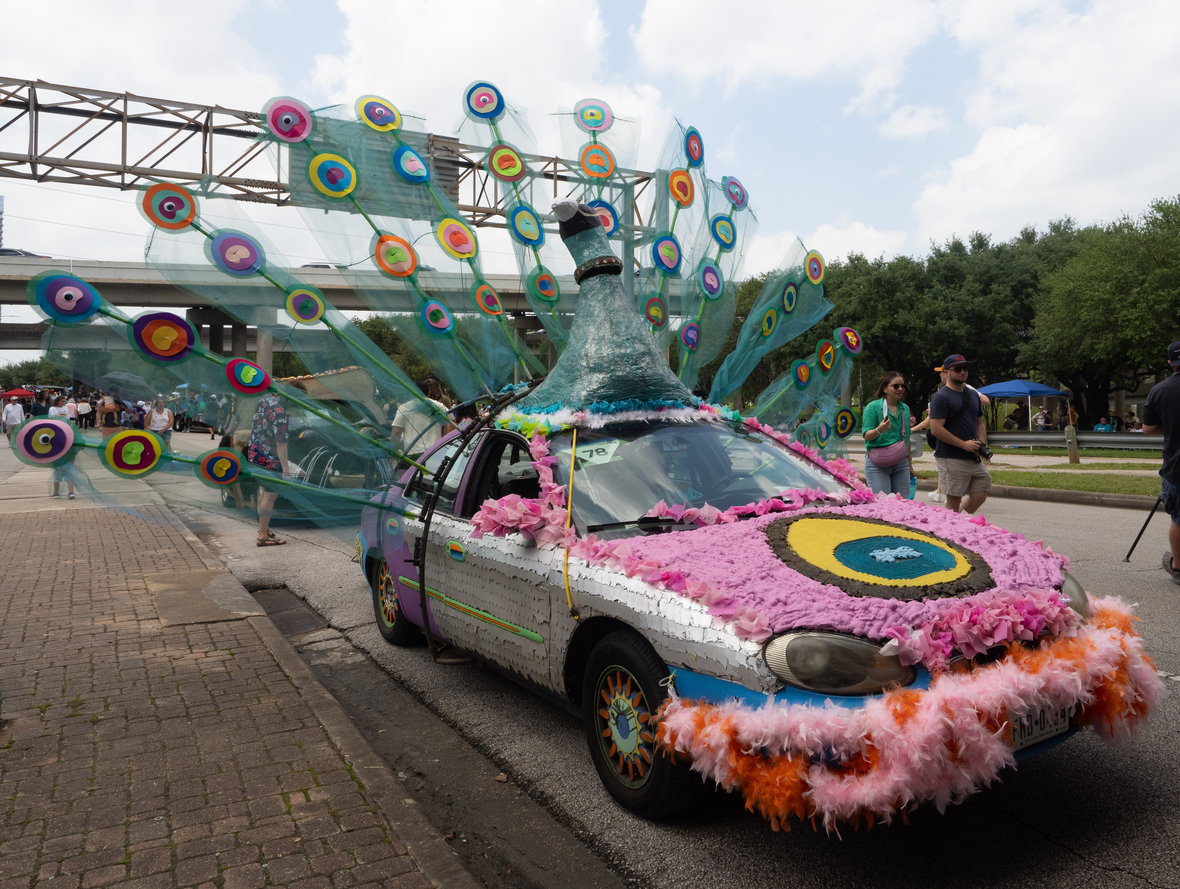
Houston’s art car scene is one of the most distinctive creative movements in Texas. The Art Car Museum, sometimes called the “Garage Mahal,” celebrates wildly customized vehicles transformed into rolling works of art. Inside, visitors may find cars covered in dolls, chrome objects, neon lighting, bottle caps, taxidermy-inspired decorations, or hand-painted murals. Houston’s annual Art Car Parade has become internationally known, drawing hundreds of decorated vehicles and thousands of spectators every year. The museum helps preserve the city’s deep connection to experimental public art and creative self-expression.
Houston’s Underground Tunnel System Beneath Downtown
Beneath downtown Houston sits a surprising network of climate-controlled pedestrian tunnels stretching for miles below the office towers. The Downtown Tunnel System connects office buildings, restaurants, coffee shops, convenience stores, banks, and businesses throughout the central business district. Originally developed to help workers avoid Houston’s intense summer heat and heavy rain, the tunnels now form an underground mini-city used daily by office employees. Visitors often stumble into the tunnel entrances accidentally and discover long corridors lined with local eateries and hidden lunch spots beneath the streets above.
Watching Houston’s Giant Bat Colony at Waugh Drive Bridge
View this post on Instagram
At sunset, thousands of Mexican free-tailed bats emerge from beneath the Waugh Drive Bridge near Buffalo Bayou Park. The colony can number into the hundreds of thousands during peak seasons. The best viewing happens around dusk, when bats stream from underneath the bridge in massive swirling formations while kayakers and spectators gather nearby. Unlike Austin’s more famous Congress Avenue Bridge bats, Houston’s colony feels more local and less crowded, making it one of the city’s most underrated wildlife experiences.
Houston’s Vietnamese and Indo-Pak Food Corridors
Some of Houston’s most surprising experiences happen through food. The city contains one of the most diverse dining scenes in the country, especially along its Vietnamese and Indo-Pak commercial corridors. In west Houston, the Mahatma Gandhi District features Pakistani, Indian, and Bangladeshi restaurants, bakeries, sweet shops, clothing stores, and markets concentrated along Hillcroft Avenue. Meanwhile, Midtown and southwest Houston contain major Vietnamese communities where visitors can find pho restaurants, banh mi shops, Vietnamese coffee cafés, and bakeries serving regional specialties rarely seen elsewhere in Texas. These neighborhoods reveal Houston’s international side in a way many first-time visitors never expect.
Glenwood Cemetery: Historic Monuments and Houston Legends
While it may sound unusual to recommend a cemetery to visitors, Glenwood Cemetery is one of Houston’s most beautiful and historically important places. The grounds contain elaborate Victorian monuments, massive oak trees, winding roads, and the graves of major Texas figures including Howard Hughes, former governors, oil executives, and military leaders. The cemetery’s architecture and landscaping make it feel more like a historic sculpture garden than a traditional burial ground. Many visitors come simply for photography, quiet walks, and Houston history.
Hidden Speakeasies and Secret Cocktail Bars
Houston’s nightlife scene includes several hidden cocktail lounges disguised behind unmarked doors, false storefronts, or restaurant entrances. Some speakeasy-style bars require reservations, secret passwords, or careful navigation through alleyways and staircases before you even find the entrance. These hidden spaces often focus on craft cocktails, dim lighting, vintage décor, and intimate atmospheres that contrast sharply with Houston’s larger sports bars and nightlife districts. The experience feels more like discovering a secret than simply visiting a bar.
Rooftop Mini-Golf and Unexpected Downtown Entertainment
Houston’s downtown entertainment scene has expanded beyond sports arenas and concert venues to include quirky attractions like rooftop mini-golf. Places such as Puttery Houston combine upscale social lounges with creatively designed indoor and rooftop-style mini-golf environments featuring themed courses, cocktails, and city views. The combination of nightlife and miniature golf reflects Houston’s growing trend toward interactive entertainment experiences aimed at adults as much as families.
Buffalo Bayou Cistern Sound Installations and Light Experiences
The Buffalo Bayou Cistern remains one of Houston’s most surreal spaces. Originally built in 1926 as a drinking water reservoir, the underground structure now hosts rotating art installations, meditation events, and sound experiences. Inside, 221 concrete columns rise from shallow reflective water beneath dim lighting that creates a cathedral-like atmosphere. The space’s famous 17-second echo transforms even simple sounds into immersive experiences. Temporary exhibits often combine projections, music, and lighting effects that make the cistern feel unlike anywhere else in Texas.
Armand Bayou Nature Center and Houston’s Urban Bison Preserve
Just outside the urban core, Armand Bayou Nature Center preserves one of the largest urban wilderness areas in the United States. Visitors can explore wetlands, forests, marshes, and prairie habitats while spotting alligators, birds, turtles, and native wildlife. One of the preserve’s most surprising features is its small herd of American bison, maintained as part of Texas prairie conservation efforts. Seeing bison grazing within reach of one of America’s largest cities feels genuinely unexpected and offers a reminder of the Gulf Coast prairie ecosystem that once covered this region.
Conclusion
Houston’s most memorable experiences are often the ones visitors never expect to find. Beneath the city’s reputation for freeways, NASA, and professional sports lies a strange and creative side filled with folk-art landmarks, underground tunnels, hidden bars, unusual museums, rooftop attractions, and wildlife encounters. These places reveal Houston as a city that embraces individuality, creativity, and surprises in ways few other major cities can match. Whether you are exploring mosaic parks, discovering secret cocktail lounges, or watching bats fly across the skyline at sunset, Houston constantly proves there is far more here than first impressions suggest.