Unexpected Places and Strange Discoveries Across Texas
Texas is full of surprises hiding far beyond cowboy stereotypes, barbecue joints, and football stadiums. Travelers expecting only ranches and desert highways often discover giant roadside sculptures, mysterious glowing lights, tropical-looking swimming holes, underground dance halls, international food districts, and entire art installations sitting alone in the desert. Some of the state’s strangest attractions feel completely out of place in Texas, which is exactly what makes them unforgettable. From miniature Eiffel Towers wearing cowboy hats to alligators lurking near Houston wetlands, these unusual discoveries reveal a side of Texas many visitors never expect to find.
Prada Marfa: Luxury Fashion in the Middle of the Desert
View this post on Instagram
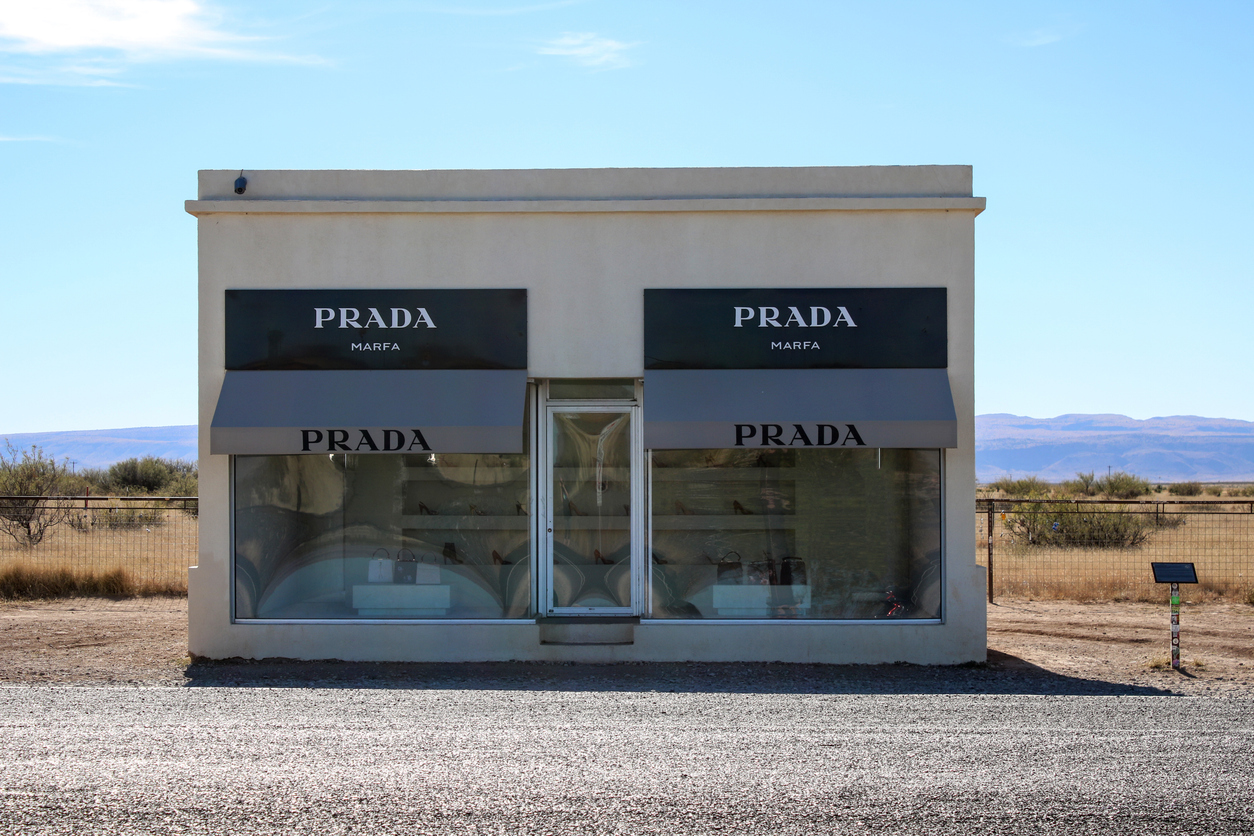
One of the strangest sights in Texas appears along a remote stretch of Highway 90 near Valentine: a fake Prada storefront sitting alone in the desert. Known as Prada Marfa, the permanent art installation was created in 2005 by artists Elmgreen & Dragset. Although it resembles a functioning luxury boutique, the structure has never operated as a real store. Instead, it serves as a commentary on consumerism, isolation, and modern culture. Inside the windows are real Prada shoes and handbags selected by the fashion brand itself. The contrast between luxury fashion and empty West Texas desert landscape makes the installation feel surreal, especially for first-time visitors driving through the region.
Cadillac Ranch and Texas Roadside Art Culture
View this post on Instagram
Near Amarillo, ten vintage Cadillacs stand buried nose-first in the ground at Cadillac Ranch, one of the most recognizable roadside attractions in America. Installed in 1974 by the art collective Ant Farm, the cars were arranged to reflect the changing tail-fin designs of Cadillac vehicles through the decades. Visitors are encouraged to spray-paint the cars, meaning the artwork constantly changes colors and layers. What surprises many travelers is how interactive the site feels. People often arrive carrying cans of spray paint specifically to leave messages, artwork, and signatures across the vehicles.
The Cathedral of Junk in Austin
View this post on Instagram
Hidden behind a private home in South Austin, the Cathedral of Junk transforms old bicycles, televisions, pipes, toys, cables, signs, and discarded household objects into a towering maze-like structure. Artist Vince Hannemann spent years building the attraction from recycled materials until it evolved into one of Austin’s most unusual creative spaces. Visitors climb through narrow passageways beneath hanging objects, colorful decorations, and stacked metalwork that somehow feels both chaotic and carefully designed. The attraction reflects Austin’s famous “Keep Austin Weird” culture better than almost anywhere else in the city.
Giant Cowboy Boots in San Antonio
View this post on Instagram
San Antonio contains one of Texas’s most unexpectedly oversized attractions: a pair of giant cowboy boots standing roughly 35 feet tall beside North Star Mall. Created by artist Bob “Daddy-O” Wade, the boots originally appeared in Washington, D.C., before eventually moving to Texas. Today they have become a local landmark and popular roadside photo stop. For visitors unfamiliar with Texas’s love of giant roadside art, stumbling across massive cowboy boots beside a shopping mall feels wonderfully ridiculous.
Marfa: A Tiny Desert Town Turned International Art Destination
Marfa was once a quiet railroad and ranching town in far West Texas. Today it attracts artists, photographers, filmmakers, and international travelers from around the world. Minimalist artist Donald Judd transformed the town during the 1970s by converting old military buildings into permanent art spaces through what later became the Chinati Foundation. The surprising part is not just the art itself, but the location. Travelers drive through hours of desert landscape before suddenly encountering galleries, installations, boutique hotels, and modern art exhibitions that feel more like New York or Los Angeles than rural Texas.
The Marfa Lights Mystery
Just outside Marfa, mysterious glowing orbs known as the Marfa Lights have puzzled travelers for generations. The unexplained lights reportedly appear at night across the desert horizon near Mitchell Flat. Witnesses describe glowing white, yellow, blue, or red spheres that move, split apart, disappear, and reappear without clear explanation. Scientists have proposed theories involving atmospheric reflections, vehicle headlights, and temperature inversions, but the mystery continues attracting curious visitors hoping to witness the phenomenon themselves.
Monahans Sandhills: Desert Dunes Hidden in Texas
Many travelers never expect Texas to contain massive rolling sand dunes, but Monahans Sandhills State Park in West Texas feels more like the Sahara Desert than the stereotypical Texas landscape. The park features miles of wind-shaped dunes that shift constantly over time. Visitors can rent sand disks and slide down the hills much like snow sledding. At sunrise and sunset, the dunes create dramatic desert scenery that surprises travelers who assumed Texas was mostly grasslands and highways.
Houston Wetlands and Unexpected Alligator Sightings
Near Houston, visitors can encounter wild alligators in places like Brazos Bend State Park and Armand Bayou Nature Center. The Gulf Coast region supports wetlands, marshes, and bayous filled with wildlife that many people never associate with Texas. Seeing large alligators sunning beside walking trails often catches visitors completely off guard. Armand Bayou also preserves native prairie ecosystems and even maintains a small herd of American bison, creating one of the state’s strangest combinations of wildlife near a major urban area.
Houston’s Asian and Indo-Pak Cultural Districts
Houston contains one of the most internationally diverse food scenes in the country. Entire commercial corridors are filled with Vietnamese restaurants, Indian sweet shops, Pakistani bakeries, Korean cafés, Chinese hot pot restaurants, and Asian supermarkets. Areas such as Asiatown in southwest Houston and the Mahatma Gandhi District along Hillcroft Avenue surprise travelers who expect traditional Texas dining everywhere they go. Instead of only barbecue and Tex-Mex, visitors discover sprawling international communities serving regional dishes from across Asia and South Asia.
Underground Dance Halls in Tiny Hill Country Towns
Scattered throughout the Texas Hill Country are historic dance halls that still host live music, two-stepping, and community gatherings decades after opening. Places like Gruene Hall in New Braunfels, Luckenbach Dance Hall, and smaller community venues across Central Texas preserve a tradition many visitors never realize still exists. Some dance halls sit in towns with only a few hundred residents, yet they regularly attract musicians and visitors from around the world. Walking into one often feels like stepping into another era of Texas history.
Czech Bakeries and Kolache Stops Along Texas Highways
Central Texas hides a strong Czech heritage that still shapes many small towns today. Travelers driving along Interstate 35 or rural highways often discover family-run bakeries selling fresh kolaches, klobasniky, and pastries passed down through generations. Towns like West, Ellinger, and La Grange became famous for their Czech bakeries and roadside pastry shops. Many visitors are surprised to discover how deeply Central European culture influenced parts of Texas. These bakery stops have become essential parts of Texas road trips for travelers exploring beyond major cities.
Bubblegum Walls, Folk Art Spaces, and Roadside Creativity
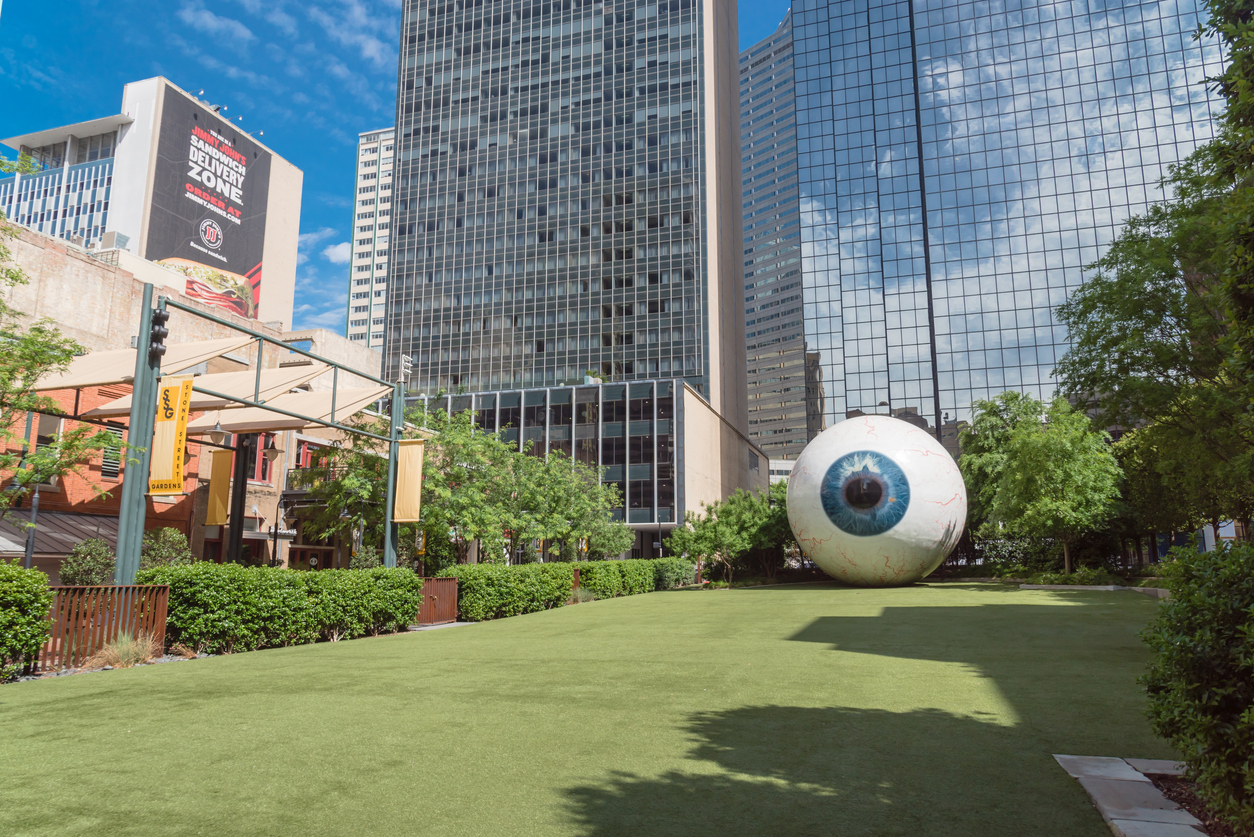
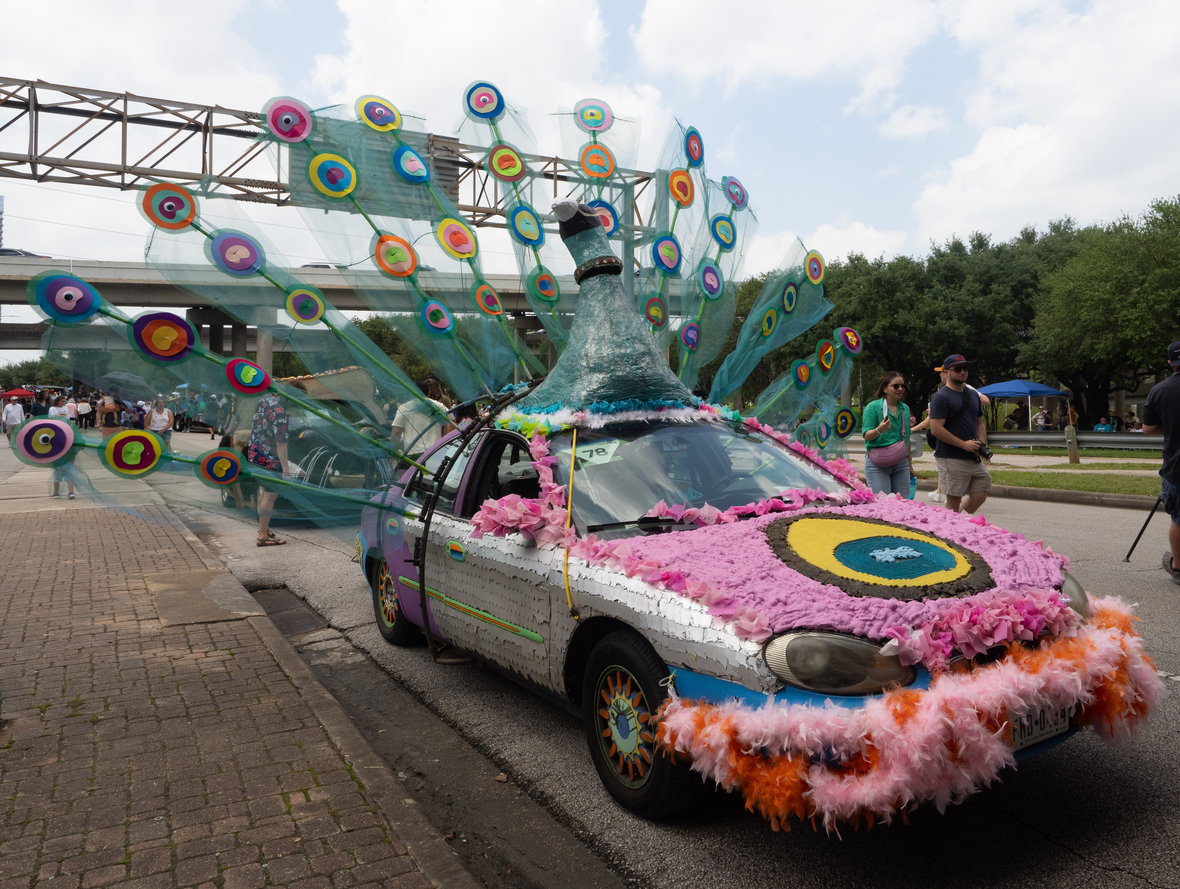
Texas also contains smaller folk-art attractions and colorful roadside creations that feel delightfully random. From painted alleyways and mosaic installations to handmade sculpture gardens and eccentric roadside collections, the state embraces a strong DIY art culture. Houston’s Beer Can House and Austin’s Cathedral of Junk are part of a broader tradition of outsider art that appears across Texas highways and neighborhoods. These attractions may not always appear in travel brochures, but they often become the places visitors remember most.
Texas Mountains Taller Than Many Eastern States
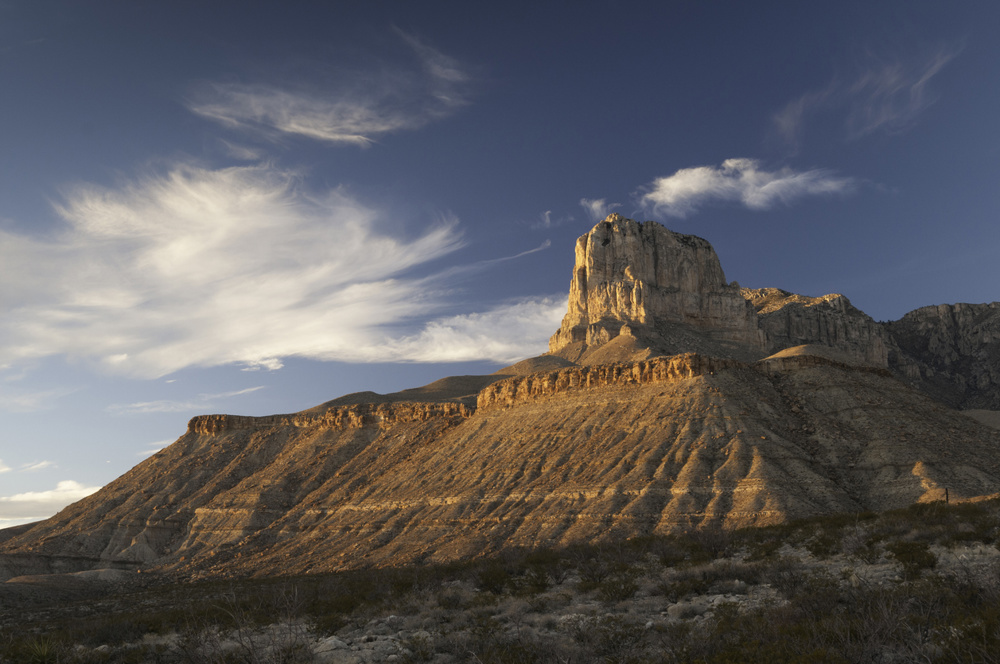
Many people imagine Texas as completely flat, yet the state contains mountains rising well above elevations found throughout much of the eastern United States. Guadalupe Peak, the tallest mountain in Texas, reaches 8,751 feet above sea level inside Guadalupe Mountains National Park. The surrounding landscape includes rugged cliffs, pine forests, canyons, and desert peaks that surprise travelers expecting only open plains. The mountains become even more unexpected when paired with the state’s enormous size and ecological diversity, which ranges from beaches and swamps to alpine forests and deserts.
Conclusion
Texas constantly surprises travelers who think they already know what the state looks like. Beyond the stereotypes are giant roadside sculptures, mysterious desert lights, hidden art installations, underground dance halls, international food corridors, desert sand dunes, and wildlife-filled wetlands. The state’s strange discoveries often become the most memorable parts of the journey because they reveal just how geographically and culturally diverse Texas really is. Whether you are exploring remote desert towns, climbing through junk art cathedrals, or spotting alligators near Houston, Texas proves again and again that it is far more unusual than outsiders expect.