
Random Outdoor Attractions Across Texas Worth Stopping For
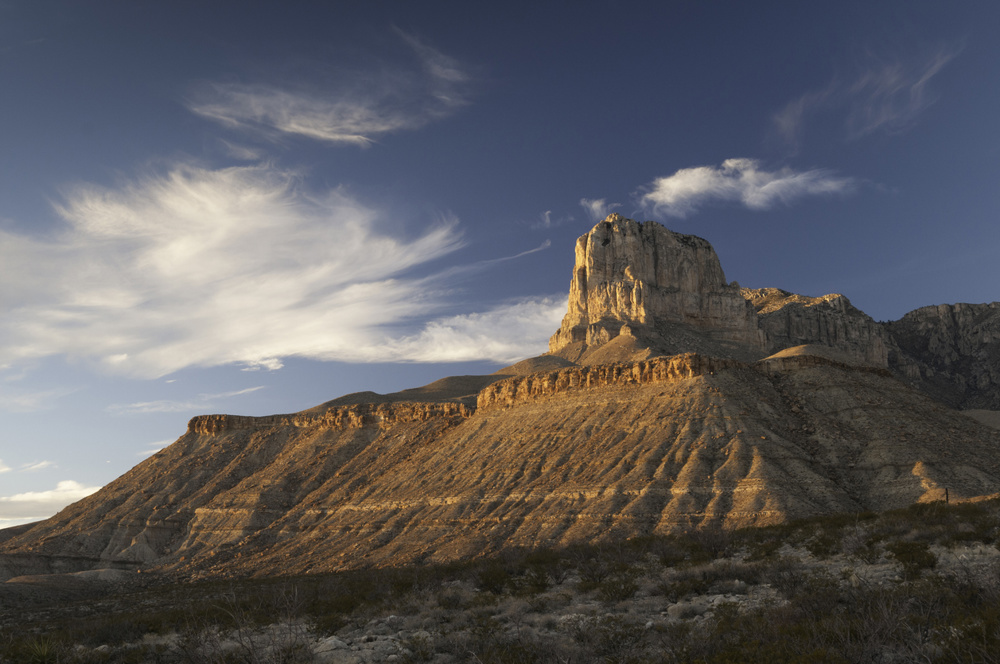
Texas is filled with outdoor attractions that range from massive canyon systems and desert mountains to hidden swimming holes, birding wetlands, granite domes, and scenic cave formations. Some destinations attract visitors from around the world, while others remain lesser-known roadside stops or regional favorites tucked into state parks and natural areas.
Whether you are planning a road trip, a hiking weekend, or a scenic detour through the Hill Country, these outdoor attractions showcase the variety of landscapes and experiences found across Texas.
Big Bend National Park and Guadalupe Mountains Offer Remote Wilderness Adventures
Far West Texas contains some of the state’s most dramatic landscapes, especially inside Big Bend National Park and Guadalupe Mountains National Park.
Big Bend features more than 150 miles of maintained hiking trails winding through desert terrain, river canyons, and the forested Chisos Mountains. One of the park’s best-known hikes is the South Rim Trail, a challenging route known for panoramic mountain and desert views. Backpackers also tackle the Outer Mountain Loop, a demanding multi-day route combining sections of the South Rim, Dodson Trail, and Blue Creek Trail.
The park is also internationally recognized for its dark skies. Big Bend became one of the largest protected Dark Sky Places in the world, making it a popular destination for stargazing, astrophotography, and night hikes.
Farther north, Guadalupe Mountains National Park offers rugged hiking routes and the chance to climb Guadalupe Peak, the highest point in Texas at 8,751 feet above sea level. The park’s rocky terrain, pine forests, and desert views create a very different experience from the Hill Country or East Texas landscapes found elsewhere in the state.
Because of the remote environment in both parks, hikers should prepare carefully with extra water, sun protection, navigation tools, and weather awareness before heading onto trails.
Texas Hill Country Is Filled with Swimming Holes, Waterfalls, and Caves
The limestone terrain of the Texas Hill Country creates many of the region’s best-known natural attractions, including spring-fed swimming holes, waterfalls, rivers, and cave systems.
One of the area’s most famous destinations is Hamilton Pool Preserve near Dripping Springs, where a collapsed grotto forms a dramatic swimming area beneath a limestone overhang and waterfall. Reservations are required during much of the year because of the preserve’s popularity.
At Colorado Bend State Park, hikers can reach the impressive Gorman Falls, a 70-foot waterfall created by mineral-rich spring water flowing over moss-covered rock formations. The hike to the falls includes rocky terrain and steep sections, but the scenery makes it one of the Hill Country’s standout natural sites.
Pedernales Falls State Park offers another popular outdoor stop, with broad limestone slabs and cascading river sections that create scenic overlooks and wading areas along the Pedernales River.
The Hill Country also contains numerous caves and caverns, including Cave Without a Name near Boerne and Longhorn Cavern State Park near Burnet. These underground spaces highlight the region’s extensive limestone geology and provide cooler temperatures during hot Texas summers.
Enchanted Rock Remains One of Texas’s Most Popular Climbing and Hiking Spots
Located near Fredericksburg, Enchanted Rock State Natural Area is known for its massive pink granite dome rising above the surrounding Hill Country landscape.
The park attracts hikers, photographers, campers, and rock climbers throughout the year. Climbers use both traditional and sport climbing techniques on routes that range from beginner-friendly slabs to more advanced crack and face climbs.
The granite surface creates a different climbing experience from limestone areas elsewhere in Texas because of its rough texture and exposed formations. Beyond climbing, the summit trail remains one of the park’s most popular hikes, especially during sunrise and sunset.
Because of the park’s popularity, reservations are often recommended during weekends, holidays, and cooler seasons.
Gulf Coast Birding Brings Migratory Wildlife to Texas Wetlands
The Texas Gulf Coast is one of North America’s most important migratory bird corridors.
Each spring and fall, millions of birds travel through coastal marshes, barrier islands, estuaries, and wildlife refuges as part of major migration routes. The Great Texas Coastal Birding Trail stretches across hundreds of sites along the Gulf Coast and helps connect birdwatchers with viewing areas, wetlands, and observation points.
Popular birding destinations include:
- Laguna Atascosa National Wildlife Refuge
- Aransas National Wildlife Refuge
- High Island
- Brazos Bend State Park
- Sabine Woods
- Santa Ana National Wildlife Refuge
South Texas birding areas are especially known for species rarely seen elsewhere in the United States, including green jays, great kiskadees, and Altamira orioles.
Spring migration is often considered the best time for birdwatching, especially along the upper Gulf Coast where exhausted migratory birds stop to rest after crossing the Gulf of Mexico.
Palo Duro Canyon Offers Scenic Hiking in the Texas Panhandle
Often called the “Grand Canyon of Texas,” Palo Duro Canyon State Park stretches roughly 120 miles long and reaches depths of around 800 feet.
Located near Amarillo in the Texas Panhandle, the canyon contains colorful rock layers, steep cliffs, hiking trails, horseback riding routes, and scenic overlooks.
One of the park’s most recognizable landmarks is the Lighthouse, a tall rock formation reached by the popular Lighthouse Trail. Other hiking routes explore canyon floors, rock formations, and elevated rim views across the park.
The canyon’s dramatic colors become especially striking during sunrise and sunset, when changing light intensifies the red, orange, and yellow rock layers throughout the landscape.
Seminole Canyon Preserves Ancient Rock Art
Southwest Texas’s Seminole Canyon State Park & Historic Site combines desert hiking with important archaeological history.
The park protects ancient rock art created by Indigenous peoples thousands of years ago. Guided tours lead visitors to preserved pictograph sites inside canyon shelters overlooking the Rio Grande region.
In addition to the archaeological sites, the park offers rugged desert scenery, canyon overlooks, and hiking trails through remote terrain.
Because access to some pictograph areas is limited to ranger-led tours, visitors should check schedules and reservation requirements before visiting.
Conclusion
Texas offers far more outdoor variety than many travelers expect. From mountain trails and desert parks to waterfalls, birding wetlands, caverns, and ancient rock art sites, the state contains outdoor attractions spread across nearly every region.
Some destinations, like Big Bend and Enchanted Rock, have become iconic Texas landmarks, while others remain quieter stops that reward travelers willing to explore beyond major cities and highways.
Whether planning a camping trip, scenic drive, hiking weekend, or nature-focused road trip, Texas has outdoor attractions worth stopping for in every corner of the state.
Related posts